
What is an Echo?
An Echo is a historically grounded persona with a name, personality, knowledge base, and voice. Each one is built from primary sources and scholarly research, then shaped by scholars who understand the history and the audience.
When a visitor or student speaks to an Echo, they're having a conversation with a persona based on the lived history: the architect who designed the structure, the craftsperson who made the artifact, the person whose story the exhibit tells. In a gallery or a classroom, the experience is the same: history that talks back.
Never Meet Your Heroes
It's easy to fall into the trap of trying to recreate historical figures. “Talk to Abraham Lincoln!” “Chat with Cleopatra!” That's not what Echoes are. The difference matters.
Echoes are about engaging in conversation with the past, not impersonating a specific person. An Echo might be the apprentice who prepared the pigments, the engineer who solved the construction challenge, or the artisan whose name was never recorded. These are voices that amplify the institution's scholarship, not celebrity impersonations that detract from it.
“History isn't something you just read about. It's someone you can talk to.”
Echoes in Action
Every Echo is unique, shaped by the history, the collection, and the scholar's vision. These are the kinds of voices educators discover in the Lending Library.
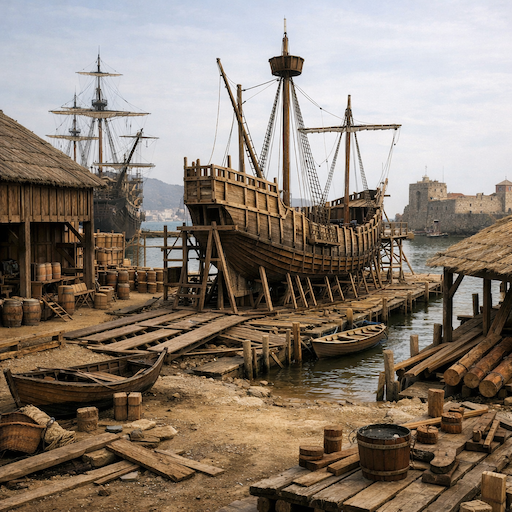
The Shipwright
15th Century, Portugal
A master shipbuilder from Portugal's Age of Discovery. Speaks about caravel construction, navigation along the African coast, and the daily life of Lisbon's shipyards. Grounded in Portuguese exploration archives.
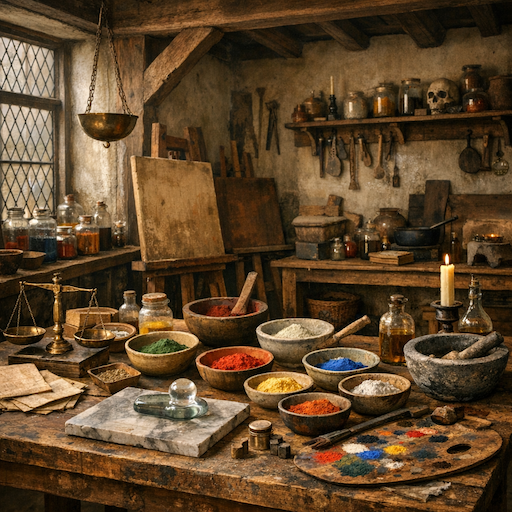
The Apprentice
15th Century, Bruges
An apprentice in a Flemish master's workshop. Shares the material reality of creating masterworks: pigment preparation, panel construction, and the guild system that governed their world.
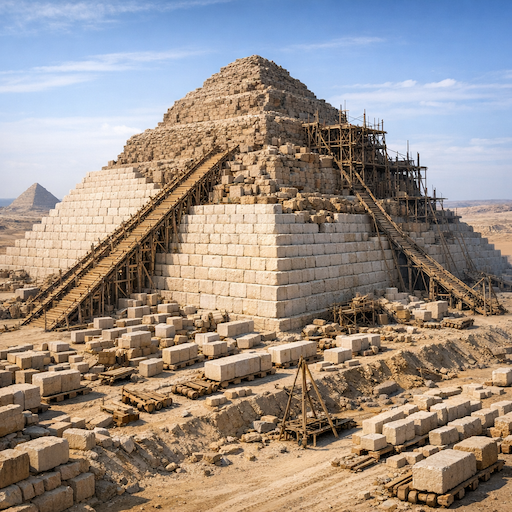
The Architect
Ancient Egypt, Old Kingdom
A chief architect overseeing pyramid construction. Speaks about engineering, logistics, labor organization, and the spiritual significance of the structures. Grounded in archaeological research.
Grounded in Research
Every Echo is built on a foundation of institution-grade scholarship. Scholars upload primary sources, scholarly articles, collection records, and FAQ entries that shape what the Echo knows and how it responds.
- Primary sources and scholarly research form the knowledge base
- Moderation rules prevent inaccurate or inappropriate responses
- Experts review insights and refine the Echo over time
Shipwright's Personal Journal, 1683
3.1 MB · 84 pages
VOC Maritime Trade Records
8.7 MB · 212 pages
Amsterdam Shipyard Photographs, c.1685
14.2 MB · 38 images
Curator FAQ Entries (42 entries)
48 KB
Crew Manifests and Rosters, 1682
1.8 MB · 31 pages
3 visitors asked: How many crew members were aboard?
How long did it take to build a ship?
A full-rigged merchant vessel, two years at minimum and that is if the timber arrived seasoned and the guild did not argue over wages.
Add FAQ Entry
How many crew members were aboard?
Guided by Experts, Refined by Use
An Echo is never finished. It learns and improves under the guidance of the scholars and staff who created it. They define its personality, set its boundaries, and provide its knowledge. The AI provides the voice, but the expertise comes from the people who know the history best.
The feedback flywheel
- 01Students and visitors ask questions the expert didn't anticipate
- 02Daily insights surface the most common questions and gaps
- 03Experts add new sources, FAQ entries, or moderation rules
- 04The Echo gets better with every conversation it has
How Echoes Reach Students
From institutional research to classroom conversation.
Institutions Craft
Museums, libraries, and archives transform their collections and scholarly expertise into historically accurate Echoes.
Lending Library
The Echo enters the Lending Library with educator scaffold materials: a primer, question starters, and reflection guide.
Educators Discover
Teachers browse by subject, grade level, and format. They borrow an Echo and its scaffolding for class.
Students Engage
1-on-1 conversation, Assembly debate, Socratic roundtable. History answers back.
One Echo is a Conversation. Two or More is an Assembly.
What happens when you put two Echoes in the same room and let them disagree? Structured debate, Socratic seminar, panel discussion. Students don't just hear history. They watch it debate, and then they step in.
Explore AssembliesReady to Get Started?
For Institutions
Your collections belong in classrooms, not just exhibit halls and scholarly journals. Build Echoes from your research and reach students across the country.
See the PlatformFor Educators
Find historically accurate voices for your next lesson. Built by scholars and curators, grounded in primary sources, scaffolded and ready for your classroom.
Explore Educator Tools