
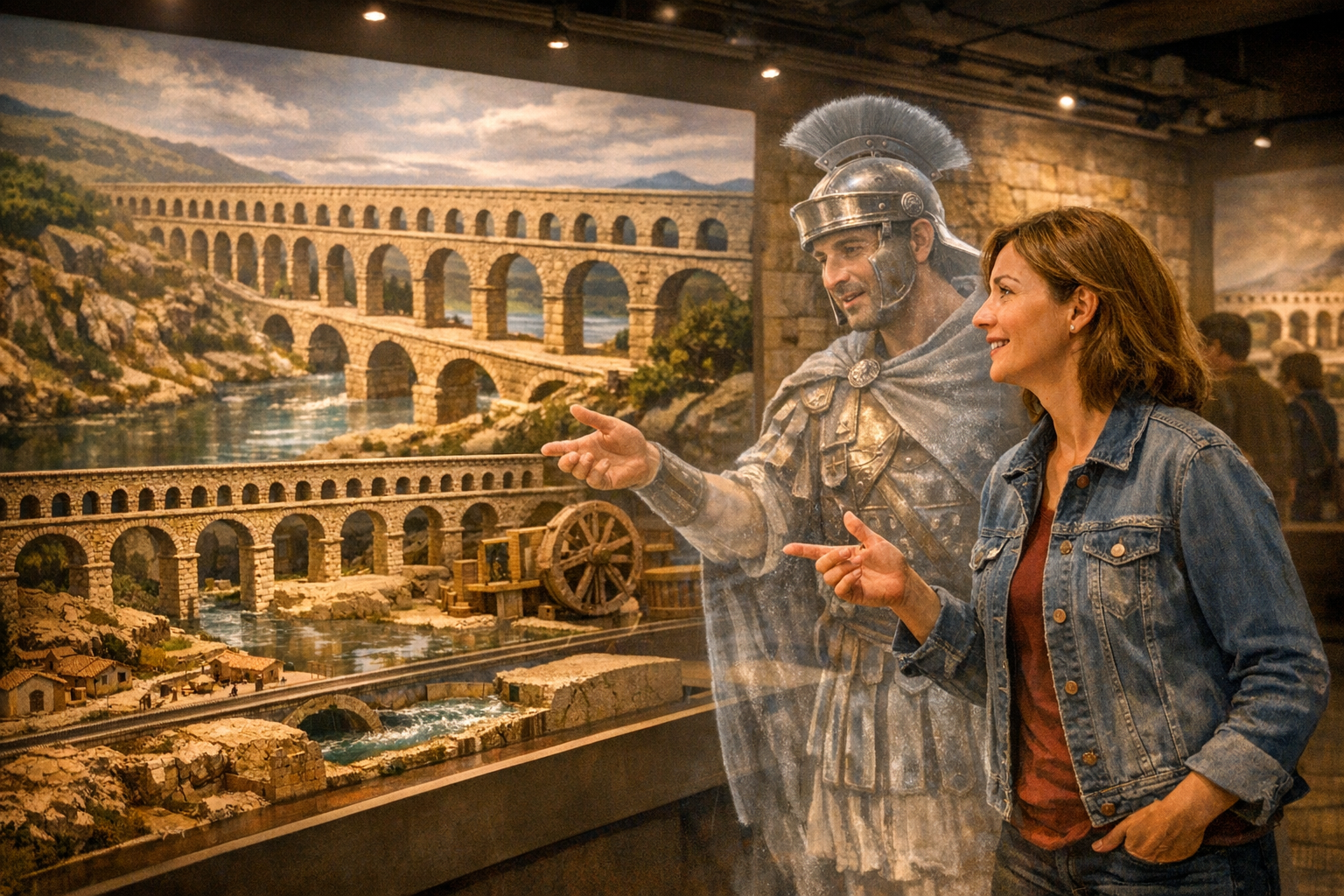
Learning takes many voices engaged in shared inquiry. Craft the conversation.
Cultural institutions craft historically grounded voices and structured discussions from their scholarship. Educators bring them into the classroom. Students learn the way understanding is actually built: through inquiry, across many voices.
For Cultural Institutions
Your collections belong in classrooms, not just exhibit halls and scholarly journals. Your scholars build the Echoes and Assemblies. Students across the country learn from them. You control the voice, the knowledge base, the story.
See How It WorksFor Educators
Find historically grounded voices for your next lesson, debate, or Socratic seminar. Built by scholars and curators, grounded in primary sources, ready for your classroom. Each comes with scaffolding so your prep time is already done.
Explore Educator ToolsWhat is Resonant Echoes?
Resonant Echoes is the infrastructure that connects institutional scholarship to the classroom. Cultural institutions research and craft historically grounded personas (called Echoes) from their collections and expertise. Those Echoes enter the Lending Library, where educators discover and deploy them.
Students don't just read about a topic or perspective. They meet it. They question it. They hear the stories that textbooks don't have room for.
How It Works
From institutional research to classroom conversation.
Institutions Craft
Museums, libraries, and archives transform their collections and scholarly expertise into historically accurate Echoes.
Lending Library
The Echo enters the Lending Library with educator scaffold materials attached and ready to browse.
Educators Discover
Teachers browse by subject, grade level, and format. They borrow an Echo and its scaffolding for class.
Students Engage
1-on-1 conversation, Assembly debate, Socratic roundtable. History answers back.
Not just the monarchs and generals
History is full of voices that have rarely been heard: the ancient engineer, the young apprentice, the shipwright who learned from a storm, and many more. Resonant Echoes gives them a voice.
- Grounded in institutional research and primary sources
- Created and controlled by scholars at real institutions
- Natural conversation, not passive reading
- Includes educator materials: primers, question starters, reflection guides
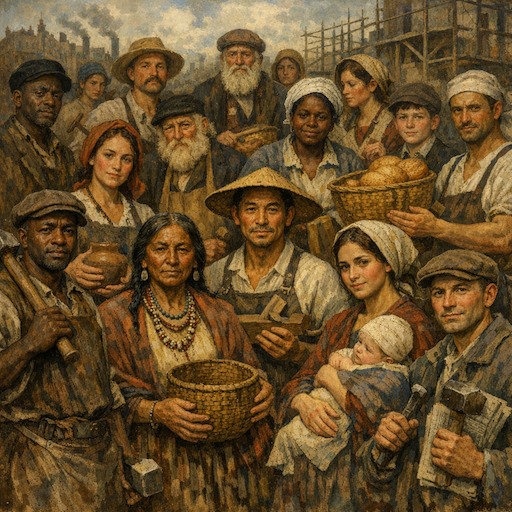
“Ask the shipwright why he built it that way. He'll tell you about the storm that taught him.”
Every Echo is a bridge between then and now.
Who answers when students ask?
Students are already using AI to ask questions about the humanities. Let's make sure they're getting answers grounded in solid scholarship and that institutional expertise is actively illuminating the path.
The Default
A student asks ChatGPT, Gemini, or Grok about the French Revolution. The answer comes from training data and maybe a web search. No scholar shaped it. No educator sees it. No one knows what the student actually took away.
This is happening right now, millions of times a day.
The Halfway Step
Scholars and subject-matter experts open up their databases. AI tools can pull from them, if the student happens to use one that does. The information is available, but the relationship is indirect and visibility is limited.
Better, but still leaves experts hoping someone finds their work.
Resonant Echoes
Scholars and subject-matter experts are integrated into the full stack. They shape the voice, ground the knowledge, set the guardrails, and see how students engage. Educators get a default option that's already built for their classroom.
The expertise, the relationship, and the observability. All in one place.
Let's start the conversation.
Whether you craft the scholarship or lead the classroom, we'd love to hear from you.
Get in Touch